Symbolism & Optional Extras
Musical instruments, koros or twists, vehicles and sports icons are some of the design elements often added to memorials.
More traditional motifs include hearts, flowers, angels and animals.
If you walk through a cemetery, you'll notice a wide mix of engraved images and symbols. These range from religious or spiritual references to decorative features.
Many of these have meanings. Here are some common examples:
Angels: Symbolise protection or guidance of the soul
Weeping angels: Grief and mourning
Candle: Represents spiritual light or the soul
Cherubs: Often used on memorials for children
Circle: Infinity or everlasting life (sometimes shown as a snake biting its tail)
Dove: Peace or release of the spirit
Lamb: Often linked with innocence or used on children’s headstones
Flaming torch: Life beyond death
Clasped hands: A sign of connection or reunion in the afterlife
Tree: Longevity or a strong family foundation
Wheat: A long, productive life
Teddy bear: A comforting symbol, usually for babies or young children
Earlier memorials sometimes featured skulls, scythes, skeletons or hourglasses. These were symbols of mortality and the passage of time but are rarely used now.
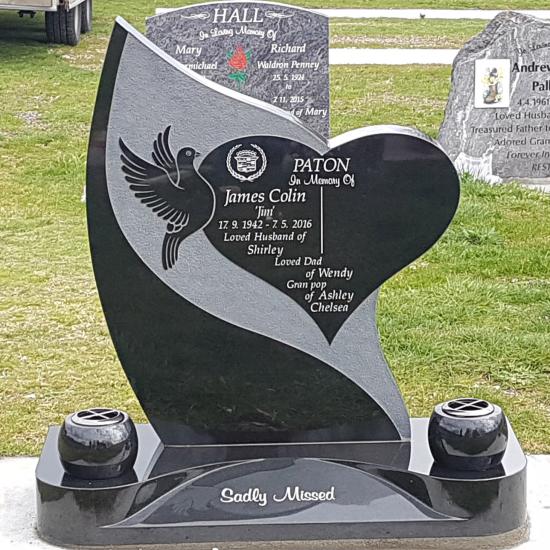
Heart
The heart, representing love, is a common symbol we use in memorials, both in the shape and carved into the stone. View Gallery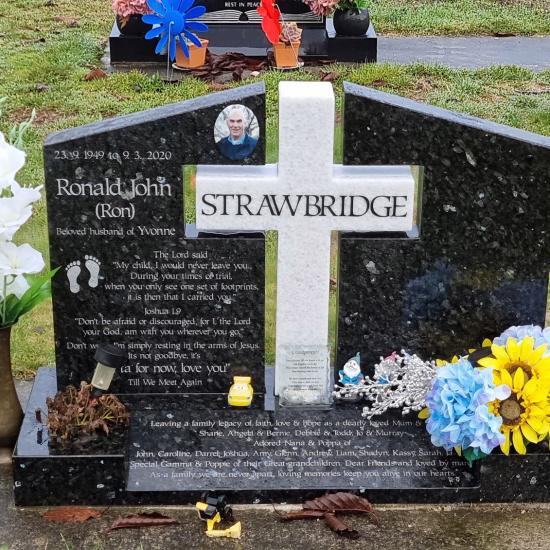
Cross
Many of our memorials incorporate a cross, either in the shape of the memorial, or carved into the stone. View Gallery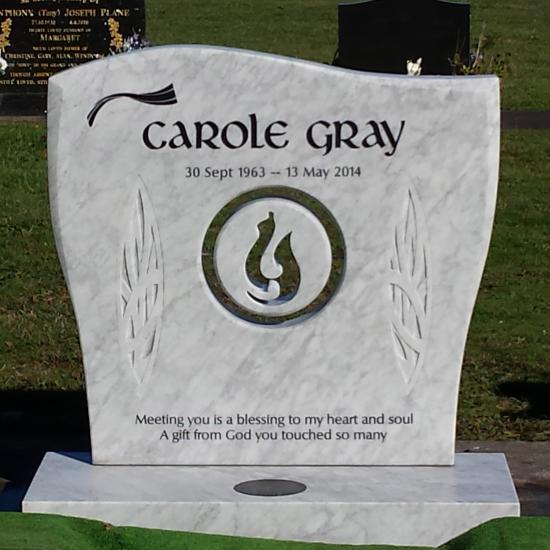
Celtic
Some families choose to reflect their Celtic roots in the design of their gravestone. View Gallery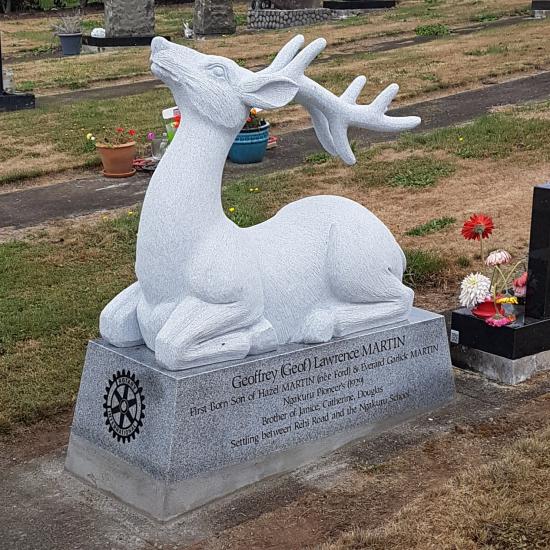
Animals and Native Birds
We are often asked to portray animals and native birds on gravestones. View Gallery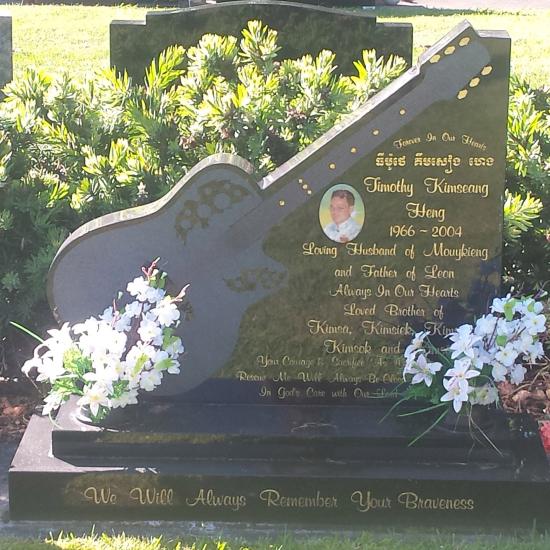
Musical Instruments
The Guitar is the most popular musical instrument that we have depicted on memorials. View Gallery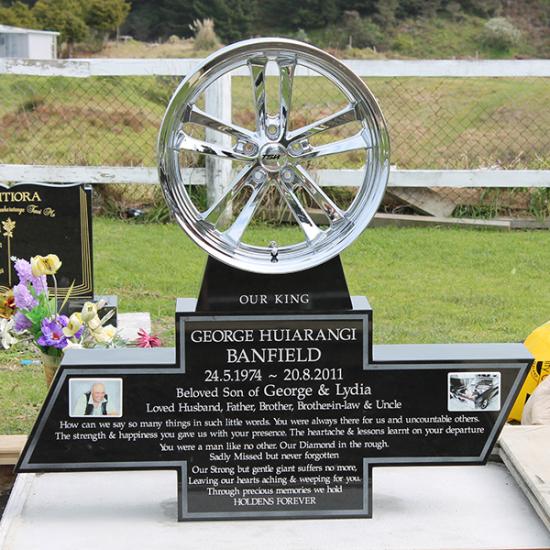
Cars and Motorbikes
Many families choose a memorial that reflects their loved one's passion in life. View Gallery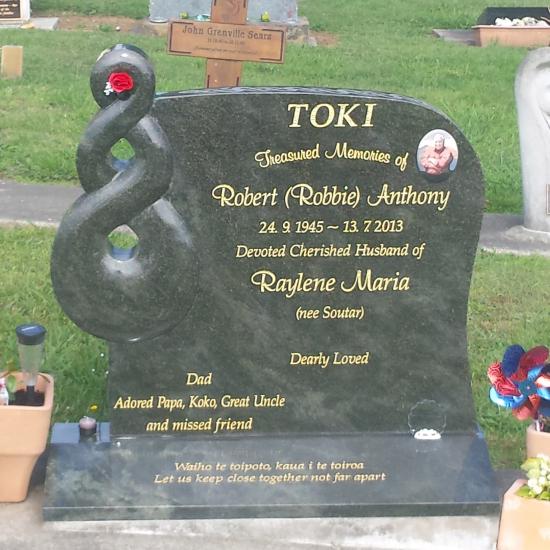
Koru and Twist
The Pikorua or single twist shape represents the eternal emerging paths in life. The figure-eight form symbolizes the bond between two people, their loyalty and love. This shape reflects the natural ebbs and flows that occur in a relationship, but the two people will always find their way back to each other. View Gallery